CIDR 2026
January 18-21, 2026 Chaminade, USA
Menu:
CIDR 2026 Keynote Speakers
Monday Keynote
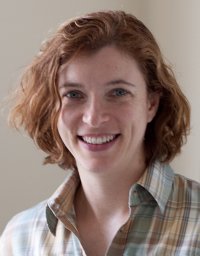
Rebecca Isaacs (Amazon Web Services)
Analyzing Metastable Failures
Abstract
Metastable failures are congestive collapses in which the system does not recover after a transient stressor, such as increased load or diminished capacity, subsides. They are rare, but potentially catastrophic if the failure cascades across inter-dependent micro-services, and they are notoriously hard to diagnose and mitigate, sometimes causing prolonged outages affecting millions of users. Standard resiliency mechanisms, including retry with exponential backoff, load shedding and queue bounds, are important components of defense-in-depth to metastable failures. However, it is challenging for a service operator to configure these mechanisms appropriately while balancing performance and availability requirements. Even worse, there is no way for operators to have confidence that a given set of defensive mechanisms are sufficient to prevent future metastable failures. In this talk I will describe how we are tackling this problem at AWS using simulation, emulation and mathematical analysis.
Bio
Rebecca is a senior principal scientist at AWS, where she works on resilience and performance. Prior to AWS, she worked at Twitter and Google, largely focused on all aspects of distributed tracing, from trace production through to novel uses of aggregate trace analysis. This followed over a decade at Microsoft Research doing research broadly in the area of performance analysis of distributed and concurrent systems.
Wednesday Keynote
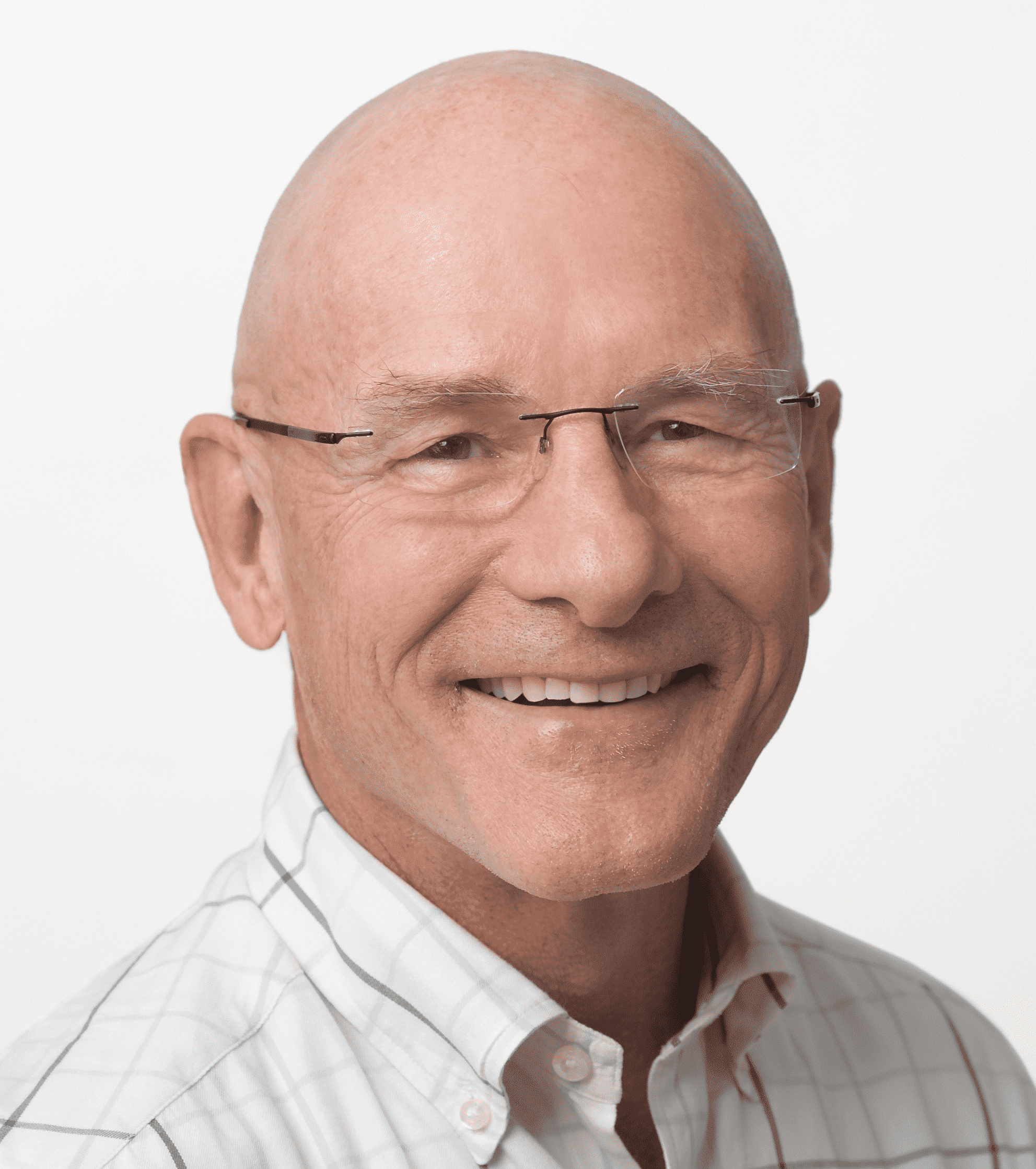
David Patterson
How to Give AI a Bad Carbon Footprint
David will give tongue-in-cheek advice on how to make AI's carbon footprint worse, and then how to make it better. He will dispel common fallacies about AI's emissions. Learn key factors influencing AI's carbon footprint and gain valuable perspectives on building more sustainable AI systems, and what is the actual largest carbon footprint in information technology.
David Patterson retired after 40 years as an EECS professor at UC Berkeley before joining Google in 2016. He is probably best known for the book Computer Architecture: A Quantitative Approachand for the Berkeley RISC (Reduced Instruction Set Computer), RAID (Redundant Array of Inexpensive Disks) and NOW (Network of Workstations) projects. He and his co-author John Hennessy shared the 2017 ACM A.M Turing Award (the “Nobel Prize of Computing”) and the 2022 NAE Charles Stark Draper Prize for Engineering (a “Nobel Prize of Engineering”).